
Human Development Infrastructure™
Our Model
Connecting resources. Developing people. Creating community benefits.
Communities hold knowledge, talent, facilities, services, and opportunities. Our model connects those strengths through structured, non-competitive collaboration—helping institutions and individuals accomplish more together while documenting the benefits their work produces.
The model & the organization
A coordinated framework for community development.
Human Development Infrastructure™ is the model. CORE Cohort Alliance Community Development Corporation is the organization bringing it to life.
The architecture behind the work
Three connected elements. One coordinated model.
Human Development Infrastructure™
The overarching model connects the conditions, relationships, resources, and opportunities that help people develop and contribute throughout their lives. It brings education, workforce development, entrepreneurship, community engagement, research, and other pathways into a coordinated framework.
Community Benefits Ecosystem
The ecosystem connects institutions and individuals with complementary strengths and needs. Participants may contribute expertise, facilities, technology, funding, services, research capabilities, communications, or community relationships.
Community Development Operating System
Our software application, CDOS, supports the processes that make collaboration operational: onboarding, assessments, institutional alignment, activity coordination, documentation, measurement, and reporting.
Public, private, nonprofit, faith-based, academic, philanthropic, and media institutions can participate while retaining their identities, missions, and responsibilities. Together, these elements connect available capacity with opportunities to produce measurable community benefits.
How collaboration works
Collaboration begins with institutional alignment.
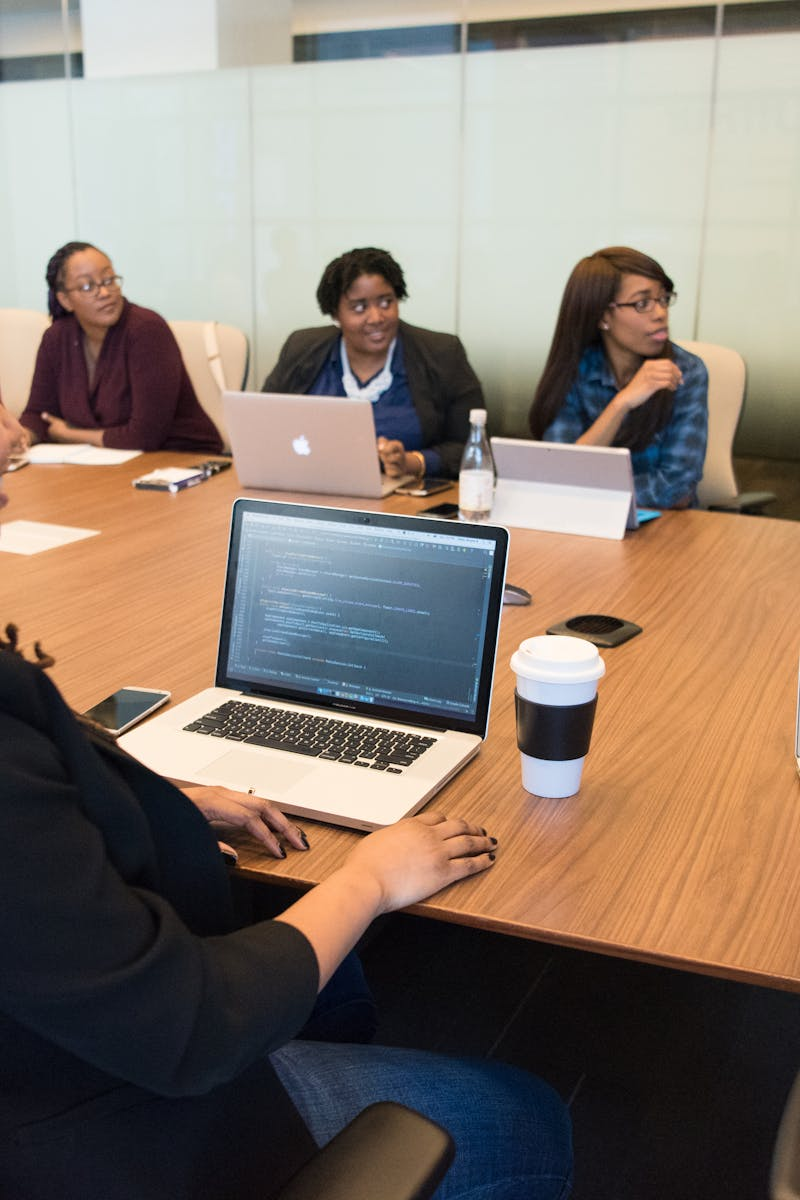
We begin by understanding participating institutions.
- What resources and capabilities can they contribute?
- What do they want to accomplish?
- What needs or limitations could collaboration help address?
- Whom do they serve, and where do they operate?
This understanding creates a foundation for identifying complementary relationships and developing shared work. Institutions can build on existing resources, strengthen one another’s capacity, and reduce unnecessary duplication.
Letter of Interest
Begin exploring fit and interest.
Memorandum of Understanding
Clarify alignment and prospective contributions.
Community Benefits Agreement
Define commitments, responsibilities, and intended benefits.
Relationships develop through this progressive pathway. Each stage brings greater clarity to alignment, contributions, responsibilities, and intended benefits.
Meet the institutions helping establish this ecosystem.
Explore our Founding Institutional Partners and the resources, experience, and capabilities they bring to community development.
From alignment to coordinated action
Initiatives, projects, programs, and research.
An initiative can contain several connected projects, programs, and research activities. A project may include programs and research. A program may include or contribute to research.
These relationships allow learning, service, development, and evaluation to reinforce one another. The agreement pathway can repeat for specific undertakings within the broader institutional relationship.
Individuals participate through the opportunities these collaborations create—and contribute their own knowledge, skills, service, and experience to the ecosystem.
An illustrative scenario
What collaboration can make possible.
A community organization has available space. An education partner has instructors and curriculum. Another institution serves people seeking new skills. A media partner can support outreach, and an academic partner can help evaluate the work.
By coordinating these existing strengths, the partners could develop a learning program within a broader community initiative. CDOS would support organizing contributions, documenting participation, and tracking agreed measures.
This example illustrates how complementary resources can become a coordinated opportunity. Actual commitments and results are established through participating partners and documented implementation.
Community benefits
The results we seek.
The model is designed to identify what changes for people, institutions, and communities.
Depending on the activity, community benefits may include stronger skills, improved access to resources, greater workforce participation, expanded economic opportunity, increased organizational capacity, or stronger community connections.
Measurement connects intended benefits with appropriate evidence. Participation records show who engaged. Completion records show what was delivered. Evaluation and research help examine what changed and what should improve.
That knowledge returns to the model, informing future collaboration and development.
The organization bringing the model to life
Founded for continuity, modernization, and expansion.
Dr. Shain Eddie Hymon, Sr. formed CORE Cohort Alliance CDC while serving as President and a Board Director of CORE California, as part of his strategy for continuity, modernization, and expansion.
He brings the model’s intellectual property, systems architecture, and software development to this work. The CDC operates as an independent corporation with its own governance and responsibility for implementation.
About the CDC →Find your place in the ecosystem.
Whether you represent an institution or are joining as an individual, your resources, experience, needs, and goals can help shape opportunities for participation. Create your free account to begin engaging with CORE Cohort Alliance.